RCS-UDAN readinessfor regional air routes
Airport readiness and advisory-infrastructure support for regional connectivity programs that need safe, repeatable operations at underserved cities, district airports, and terrain-sensitive routes.
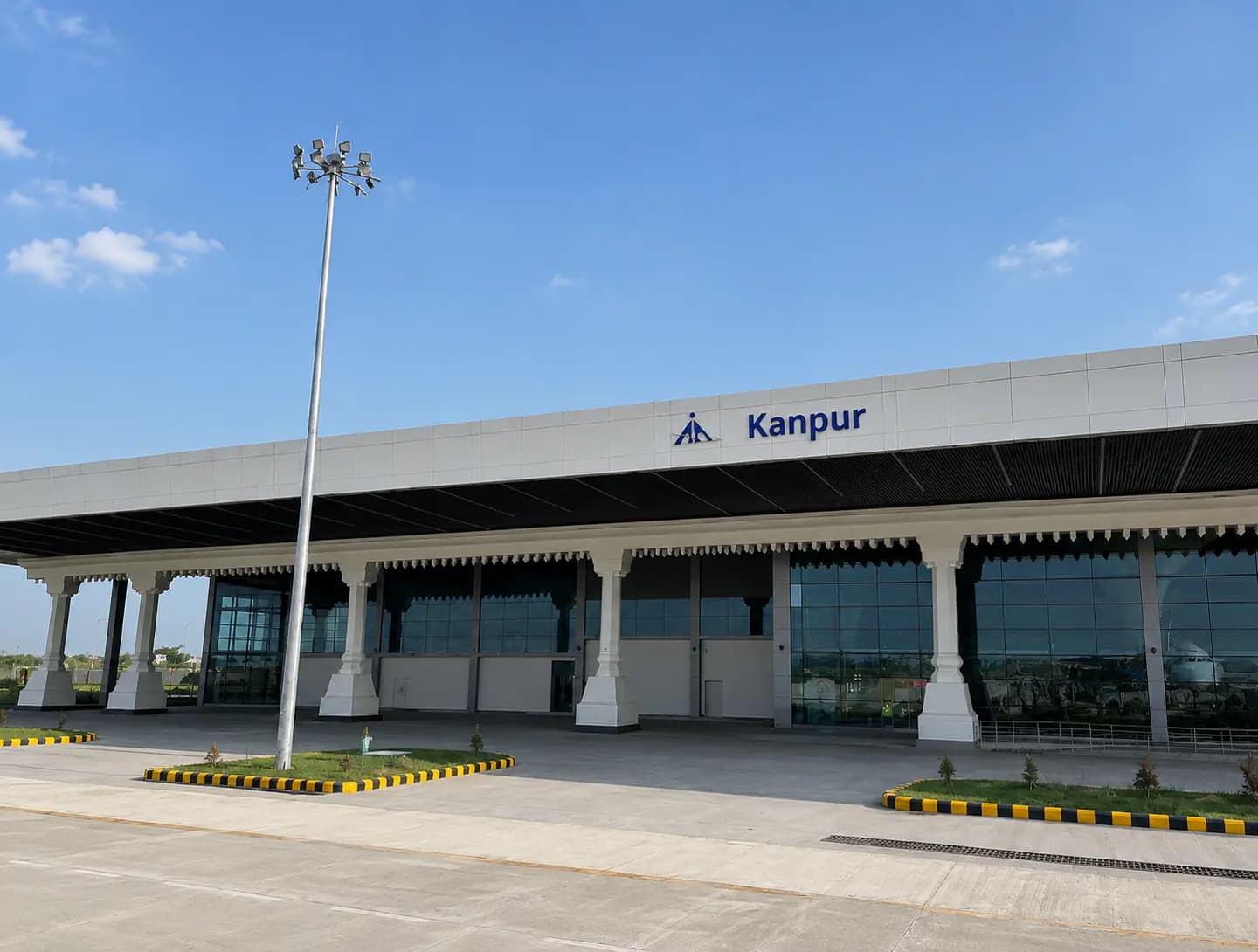
RCS-UDAN success depends on the airfield, aircraft, and route operating as one system.

Aircraft-fit route activation
RCS-UDAN airports must support predictable turboprop operations, apron movement, turnaround discipline, and communications consistency.

Terrain-sensitive connectivity
Hilly, remote, and weather-exposed regions need stronger advisory visibility, route discipline, and contingency planning.

Airport infrastructure readiness
Terminal, landside, airside, and advisory systems must work together before a regional route can operate reliably.
The route must be operationally ready before service begins.
RCS-UDAN routes are only sustainable when the destination airport is operationally ready: runway environment, communications, lighting, weather visibility, advisory discipline, trained local teams, and a cost model that matches low-to-moderate traffic volumes.
Aeronexus helps state agencies, airport operators, and regional aviation stakeholders convert route ambition into field readiness by mapping gaps, prioritizing deployable advisory systems, and creating a phased operational acceptance path.
Built for aviation decisions
Regional airport readiness assessment
Evaluate runway environment, apron operations, communications coverage, weather constraints, power, connectivity, emergency response, and local staffing assumptions.
Cost-fit advisory infrastructure
Define where MicroTower-style autonomous advisory capability can provide tower-equivalent awareness without the cost burden of conventional staffed towers.
Route and aircraft operating model
Align airport readiness with turboprop operations, schedule frequency, terrain exposure, weather patterns, turnaround requirements, and passenger-service continuity.
Stakeholder coordination
Translate aviation authority, state government, airport operator, airline, and district administration needs into one execution-ready program plan.

From requirement definition
to operational readiness
Route objective review
Understand route goals, aircraft type, schedule frequency, demand assumptions, terrain exposure, weather pattern, and airport operating constraints.
Airfield readiness gap plan
Map the minimum viable advisory, communications, lighting, power, monitoring, training, and emergency-response capabilities needed for safe operations.
Operational acceptance roadmap
Create a phased program for field upgrades, procedure alignment, training, regulatory coordination, go-live support, and long-term oversight.
Where this capability applies
Regional airport activation
Underserved route development
State or district aviation programs
Low-traffic airport advisory modernization