India
DGCA-aligned training pathways
Programs can be mapped to Indian civil aviation operating expectations, documentation needs, and airport stakeholder readiness.
Structured training programs that help pilots, dispatch teams, and field operators work confidently with autonomous advisory environments, CTAF discipline, weather intelligence, and non-towered airfield procedures.
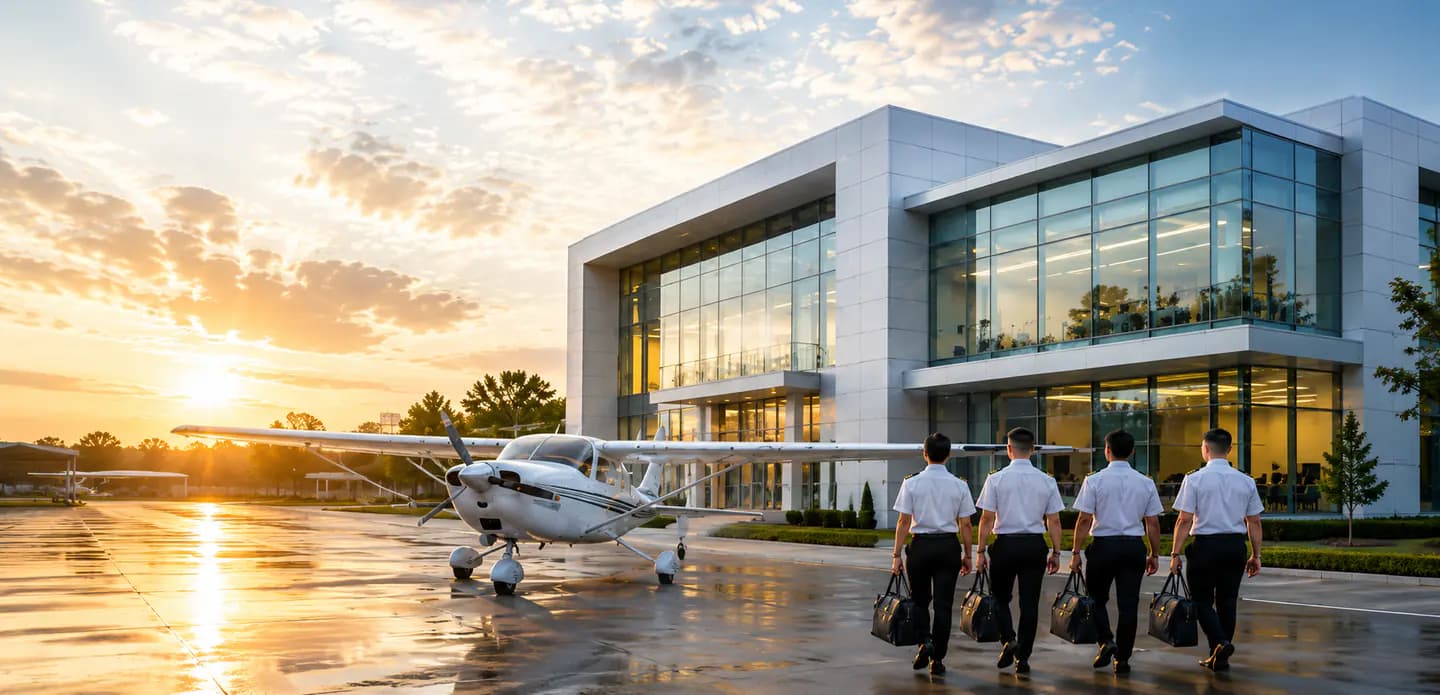

Aircraft handling, radio discipline, and operating procedures are taught against the real aircraft mix pilots will encounter.

Training scenarios cover general aviation, business aviation, rotary-wing activity, and regional airport movement patterns.
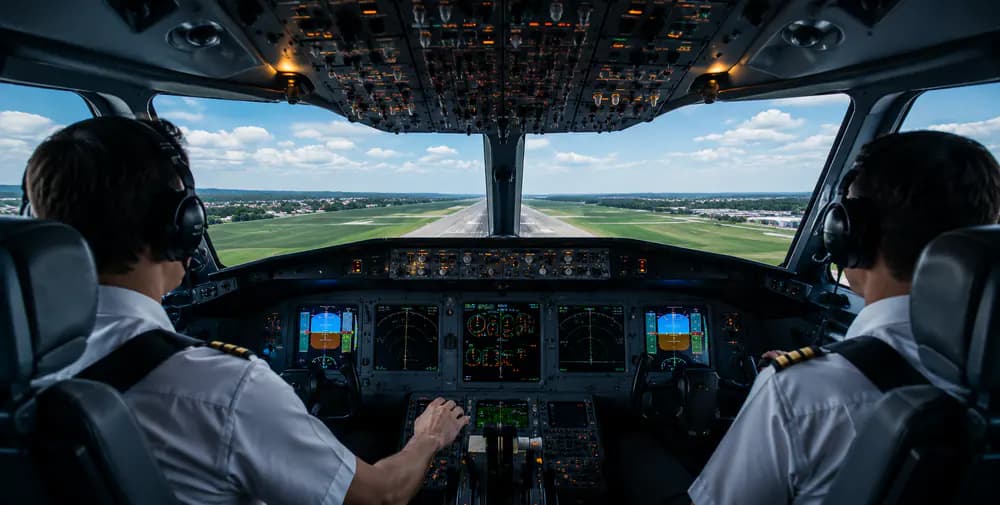
Cockpit-focused modules reinforce runway selection, weather interpretation, advisory response, and stabilized approach judgment.
Regional and remote aviation teams often operate with mixed experience levels, variable communications discipline, and limited exposure to automated advisory systems. Training must connect aircraft behavior, radio phraseology, weather interpretation, and airfield risk into one operational picture.
Aeronexus designs training around the actual operating environment: pilot self-announcement, advisory broadcasts, runway condition awareness, emergency coordination, and transition workflows for airports adopting MicroTower or other advisory infrastructure.
Practical modules for position reports, runway conflict awareness, phraseology consistency, and pilot response to automated advisories.
Training sequences built around arrivals, departures, runway changes, weather deterioration, mixed traffic, and temporary airfield operations.
Shared training for pilots, operations control, airport teams, and field supervisors so procedures remain consistent across the network.
Orientation for teams adopting autonomous advisory systems, including system behavior, confidence boundaries, fallback procedures, and field reporting.
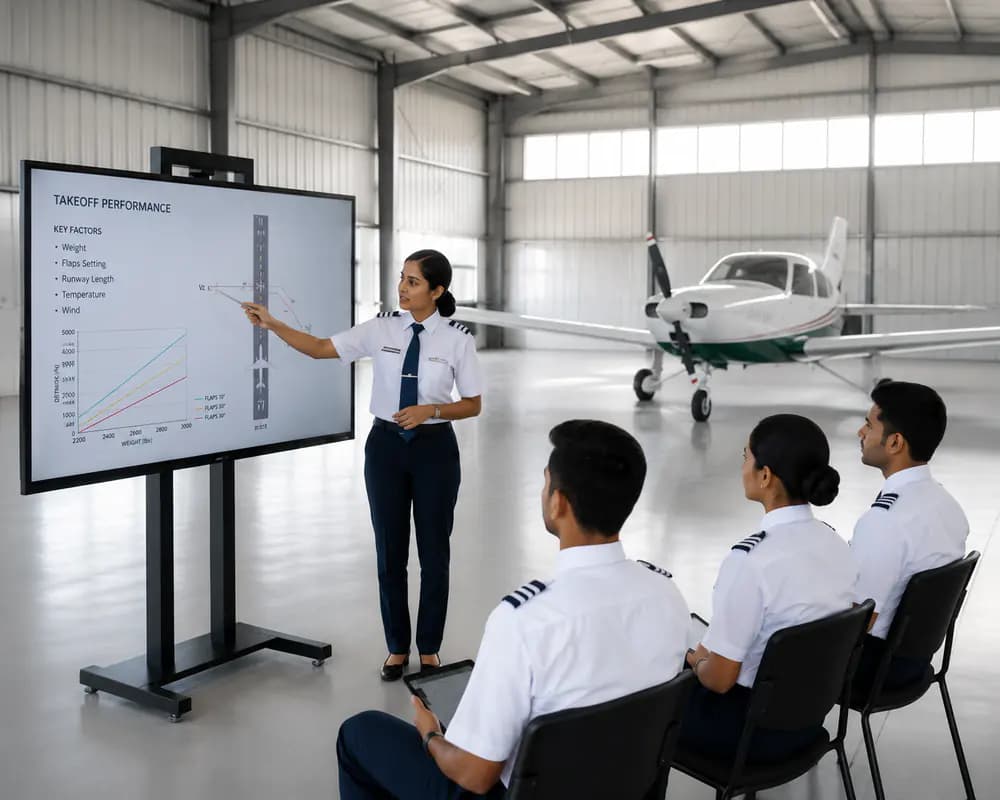
Review airfield type, fleet mix, traffic density, radio procedures, and operational risk profile.
Create role-specific modules for pilots, dispatchers, airport operators, and supervisory teams.
Conduct instructor-led sessions, tabletop exercises, radio simulations, and post-training readiness review.
Pilot training content can be aligned with authority-specific operating procedures, documentation expectations, and local approval pathways for airport and fleet operators.
Programs can be mapped to Indian civil aviation operating expectations, documentation needs, and airport stakeholder readiness.
Training can reference FAA-style advisory discipline, non-towered operations, phraseology standards, and safety management practices.
Regional airport pilot familiarization
Remote and island airstrip operations
Defense and emergency aviation readiness
MicroTower deployment transition training